Building Player Loyalty
Introduction
Getting players to show up for the first time is a big win. Turning them into regulars, that’s where your LARP really starts to thrive.
Player loyalty isn’t something that happens by accident. It’s built through consistent experiences, meaningful connections, and a sense that every event matters. If you want people to keep coming back season after season, you need to give them more than a good weekend; you need to give them a reason to stay invested.
Make the First Experience Count
For new players, their first event sets the tone for everything that follows. If they feel welcomed, included, and able to participate, they’re far more likely to return.
Start with onboarding. Clear communication before the event, what to bring, what to expect, and how the game works, removes a lot of anxiety. Pair that with a simple check-in process and friendly staff who are ready to answer questions.
During the event, look for ways to bring new players into the action early. Whether it’s a guided introduction, a low-pressure encounter, or an NPC specifically tasked with engaging newcomers, the goal is the same: don’t let them feel like they’re on the outside looking in.
Consider assigning an experienced player or staff member to serve as a mentor for each newcomer. Having someone who can answer questions, make introductions, and help navigate the game can make an enormous difference during that first event.
Create Opportunities for Connection
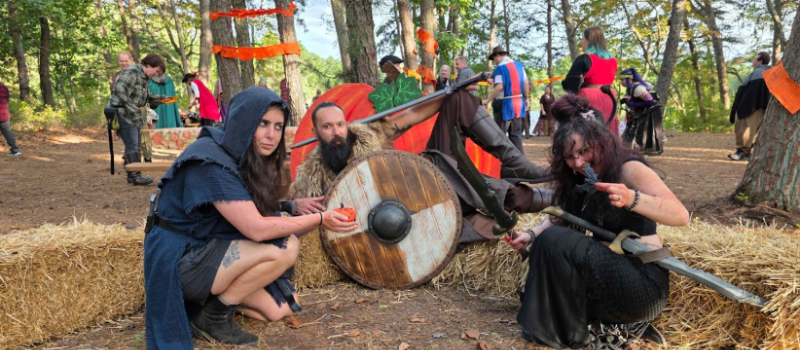
People don’t just come back for the story, they come back for the people. As we've explored in previous articles, LARP is more than a game. It's a community built through shared experiences and relationships.
Encourage interaction between players by designing situations that require cooperation. Group objectives, shared challenges, and faction-based play all help build relationships naturally. When players feel like they’re part of something bigger than their individual character, they’re more likely to stay engaged.
Out-of-game spaces matter too. Campfire conversations, meal breaks, or even online community spaces between events give players a chance to connect without the pressure of gameplay. These moments often turn acquaintances into friendships, and friendships are what keep players returning.
Be mindful of established social circles that may unintentionally exclude newcomers. Encourage experienced players to invite new participants into conversations, activities, and storylines rather than expecting newcomers to find their own way in.
Reward Investment
If players put time and energy into your game, they should see it reflected in the experience.
This doesn’t always mean mechanical rewards. Story recognition can be just as powerful. Let player actions have visible consequences. Bring back plot threads they were involved in. Give them moments where their choices matter.
Character progression is another key factor. Whether it’s through skills, status, or narrative influence, players should feel like their characters are growing over time. Stagnation is one of the fastest ways to lose interest.
At the same time, be careful not to leave newer players behind. Balance is important; veterans should feel rewarded, but newcomers should still feel like they can contribute meaningfully. Reward long-term participation without making seniority the only path to significance. A new character should be able to influence important events, contribute meaningful skills, and develop relationships without spending years catching up to established characters.
Players may contribute through NPC shifts, volunteering, helping new players, or supporting the community. Recognizing those contributions can strengthen loyalty, provided recognition doesn't create favoritism or pressure to volunteer.
Keep the World Alive Between Events
Engagement shouldn’t stop when the event ends.
Use forums, social media, or email updates to keep players connected to the world. Share rumors, short stories, or in-game news that hint at what’s coming next. This keeps anticipation high and gives players something to think about between events.
You can also encourage player-driven content. Character journals, faction updates, or even player-run gatherings help maintain momentum and deepen investment.
The goal is simple: make your LARP feel like an ongoing experience, not a series of disconnected weekends.
Between-event engagement should be an opportunity, not an obligation. Players who cannot participate in online roleplay or community activities should still be able to return at the next event and understand what's happening. Make important developments accessible to everyone.
Listen and Adapt
Loyalty grows when players feel heard.
Post-event surveys are a great starting point, but don’t stop there. Pay attention to conversations, feedback, and patterns over time. What are players excited about? Where are they getting frustrated?
You don’t need to act on every suggestion, but you should be responsive. When players see their feedback reflected in changes, even small ones, it reinforces that they’re part of a living, evolving game.
Transparency helps here as well. Let your community know what you’re working on and why certain decisions are being made.
When you make changes based on player feedback, tell your community. A simple acknowledgment such as "Several players mentioned difficulty finding plot involvement, so we're introducing new character story hooks" demonstrates that feedback is taken seriously.
When players stop attending, don't automatically assume they've lost interest in your LARP. Sometimes life simply gets in the way. Other times, there may be aspects of your game that aren't meeting their needs. When appropriate, reach out respectfully to former players and ask about their experiences. Their perspectives may reveal opportunities for improvement that current players haven't identified.
Be Consistent
Consistency builds trust, and trust builds loyalty.
Run events when you say you will. Communicate clearly and regularly. Maintain the tone and quality players expect. While innovation is important, it should enhance your game, not make it unpredictable in ways that drive people away.
Players return to experiences they can rely on. When they know what kind of event they’re signing up for, and that it will deliver, they’re much more likely to commit long-term.
Closing
Building player loyalty isn’t about a single moment or feature. It’s about the overall experience you create, from the first interaction to the last farewell of the weekend, and everything in between.
When players feel welcomed, connected, and invested, they don’t just attend your LARP. They become part of it. And that’s what turns a growing game into a lasting community.
Call to Action
LARP Portal helps game owners spend less time on administration and more time creating the experiences that keep players coming back. Contact us at demo@larportal.com today for a free demo.
If you would like to market your LARP and be listed in our Find a LARP search tool, contact us at support@larportal.com. This is a great tool for anyone who is searching for LARPs near me.
Latest Blogs


.png )



.png )